







Punjab Cabinet Under Leadership of CM Bhagwant Singh Mann Approves Exclusive Special NDPS Courts To Ensure Speedy Trials In Drug Cases
385 Posts, Including 35 Additional District And Sessions Judges, Approved
52,577 NDPS Cases Pending In Punjab; Dedicated Courts To Help Clear Backlog & Reduce 8-Year Disposal Time
CHANDIGARH; 31st October 2026:
The Punjab Cabinet under the leadership of Chief Minister Bhagwant Singh Mann on Saturday approved the establishment of 35 Exclusive Special NDPS (National Drugs Psychotropic Substances) Courts across the state to ensure speedy disposal of drug-related cases, reduce judicial pendency and strengthen the ongoing fight against the drug menace.
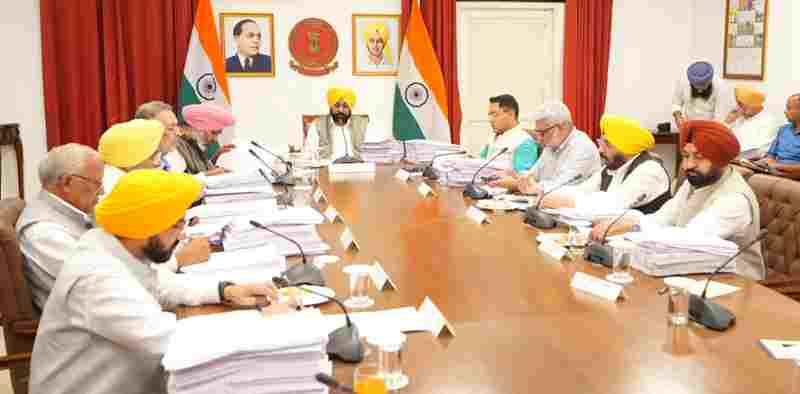
A decision to this effect was taken during a meeting of the Council of Ministers chaired by CM Bhagwant Singh Mann.
Disclosing this, the Chief Minister’s Office stated, “Punjab is facing a serious challenge of drug trafficking and abuse, with approximately 20,000 NDPS cases registered and around 27,000 arrests made annually in the state. Of these, approximately 12,000 cases are tried by Sessions Courts, while only around 5,700 cases are disposed of annually, resulting in 52,577 pending cases as on August 31, 2026. Consequently, the average disposal time of such cases is approximately eight years.”
The Registrar General of the Punjab and Haryana High Court had assessed the requirement for additional Exclusive Special NDPS Courts to clear the backlog over the next five to seven years. Accordingly, the Cabinet has approved the establishment of 35 such courts in the first phase.
Along with this, 385 posts have been approved, comprising 35 Additional District and Sessions Judges, 315 supporting staff members and 35 Assistant District Attorneys. An estimated expenditure of approximately ₹75 crore, including infrastructure costs, has also been sanctioned.
The existing designated courts will continue functioning until the new Exclusive Special NDPS Courts become fully operational.
These dedicated courts will facilitate speedy disposal of NDPS cases, reduce pendency and delays, and ensure better utilisation of government witnesses. The initiative is expected to strengthen the judicial mechanism against drug-related offences and further the Punjab Government’s efforts to break the backbone of the drug menace in the state.

